
Fiber Optic Probes
FiberTech Optica designs and manufactures custom fiber optic probes engineered to meet the unique optical, mechanical, and environmental requirements of advanced spectroscopy, sensing, and analytical instrumentation.
Our capabilities include probes incorporating multiple fiber types, complex fiber arrangements, and integrated optical elements such as lenses, filters, windows, spacers, beam shaping optics, and custom ferrules. By combining optical and mechanical design expertise, FTO delivers complete probe solutions that optimize excitation delivery, collection efficiency, working distance, spot size, and measurement repeatability.
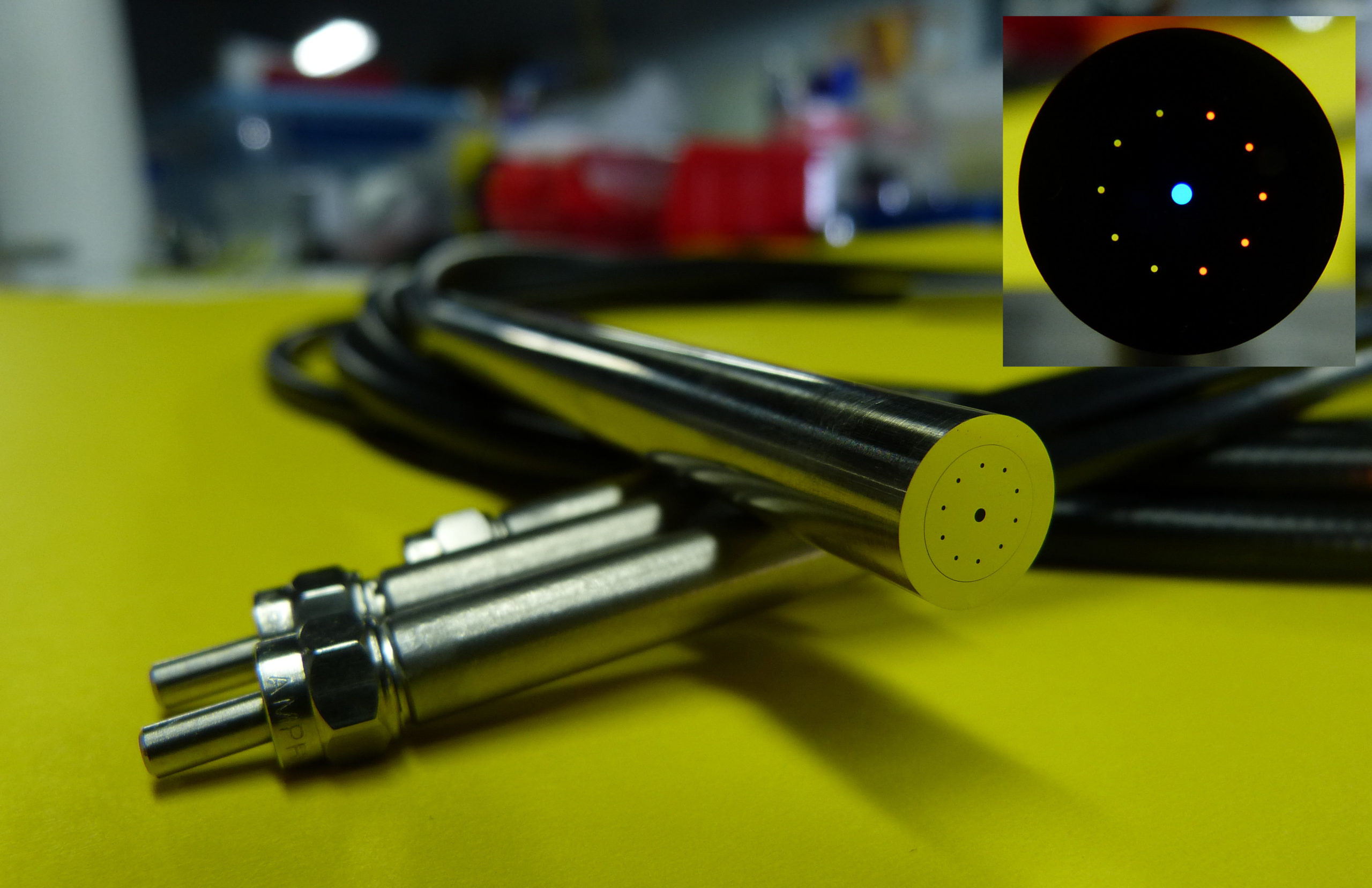
Fiber Optic Reflectance Probes
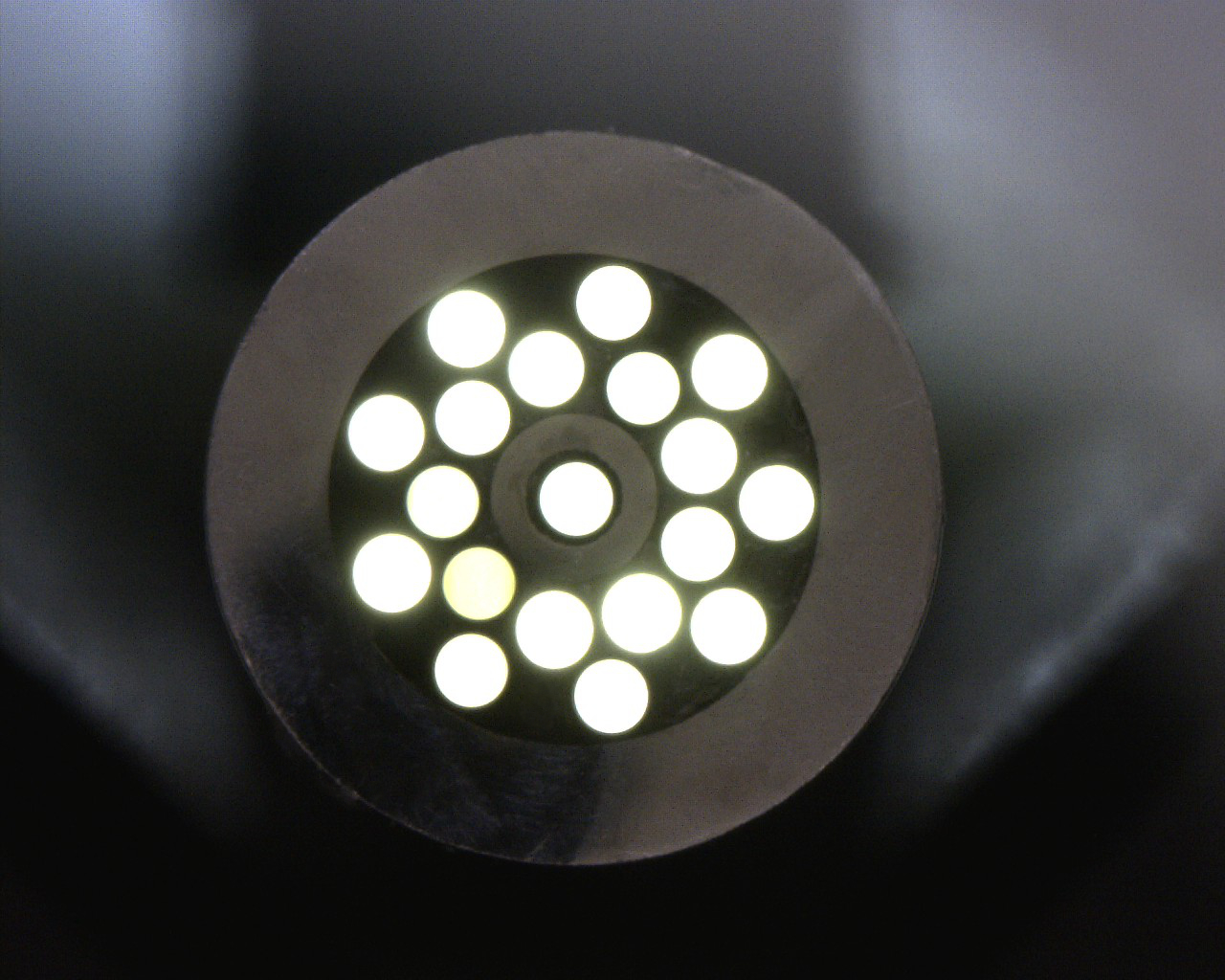
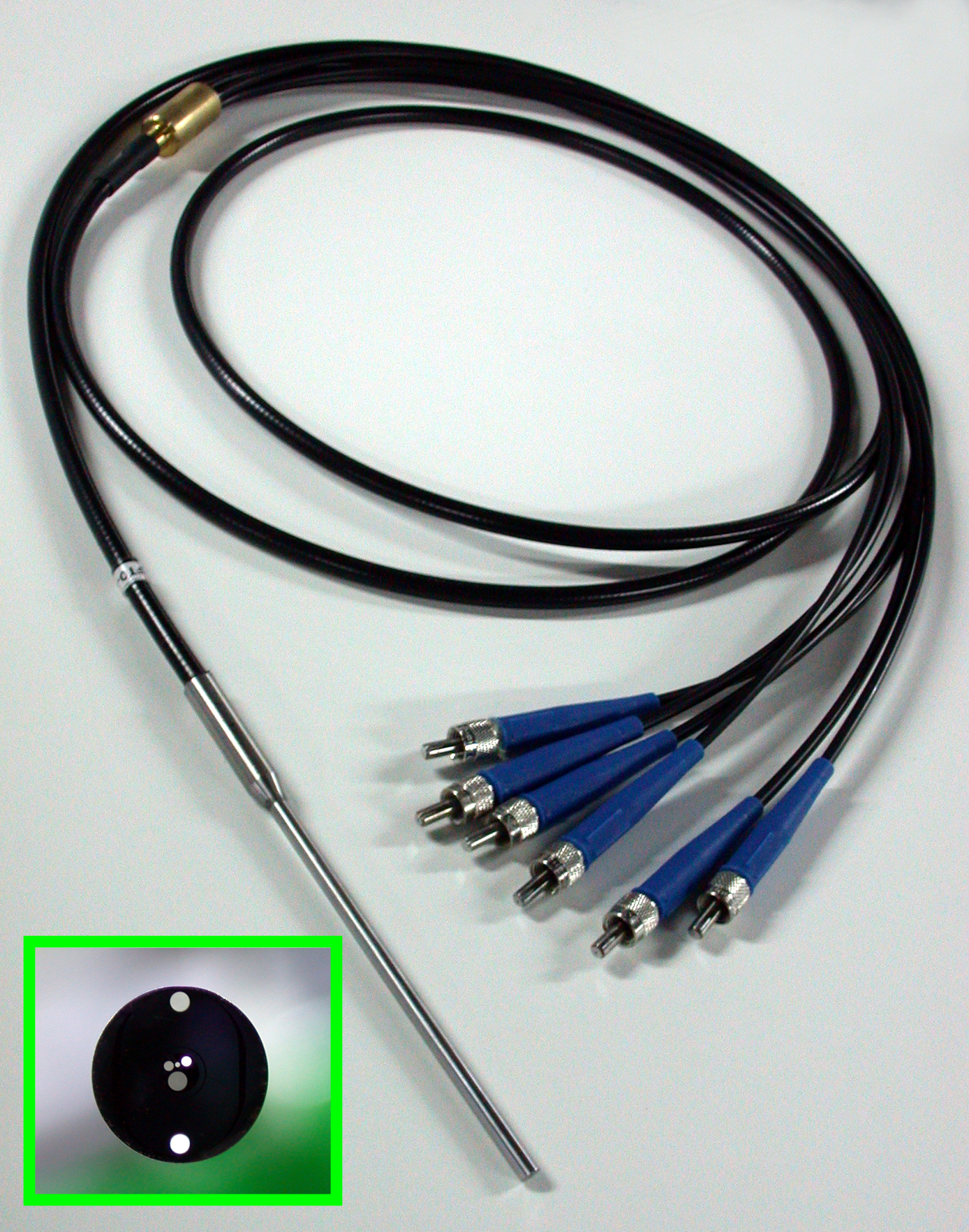
FiberTech Optica manufactures custom reflectance and backscatter probes optimized for reflection and fluorescence measurements in solids, liquids, and powders.
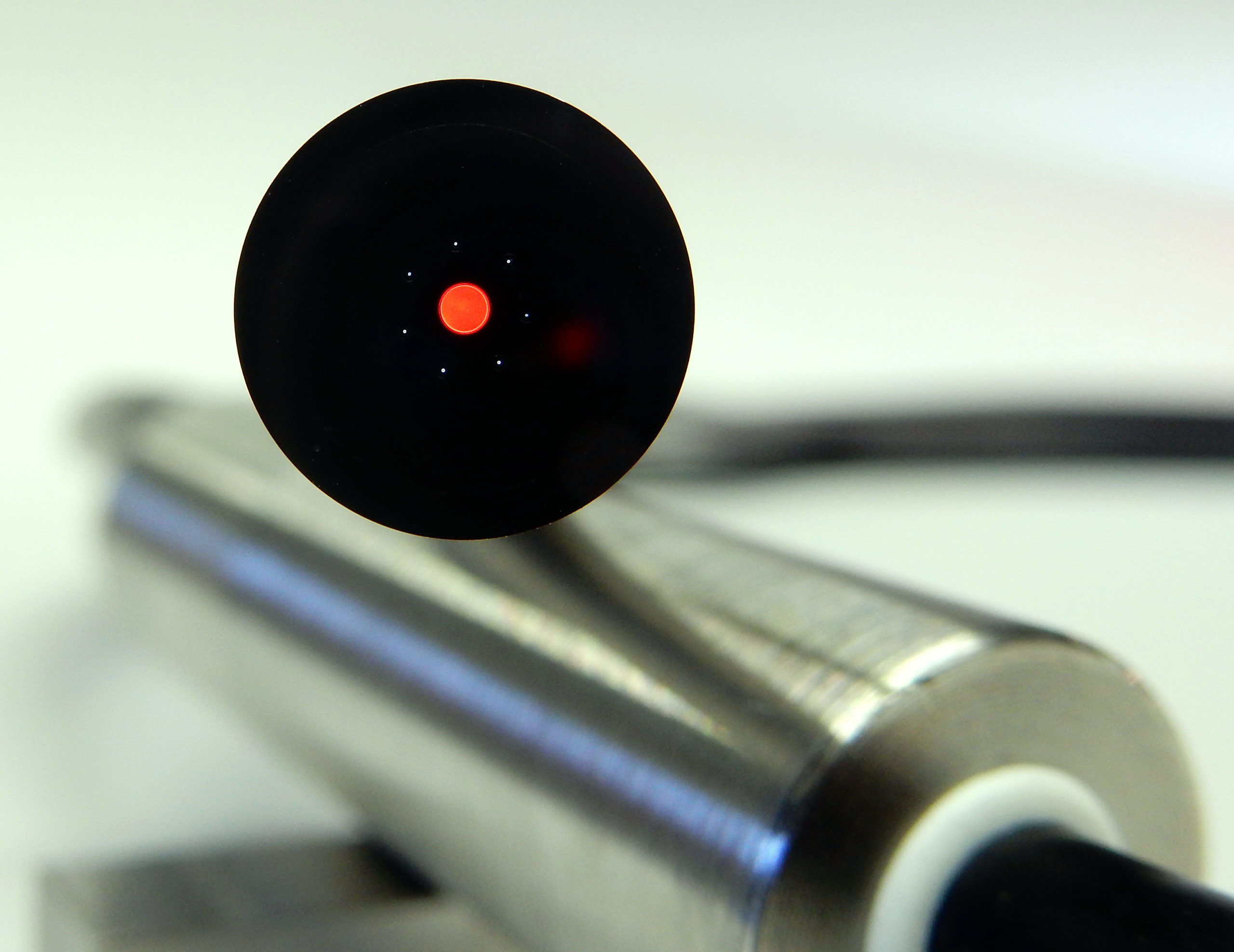
Configurations typically use 7, 19, 37, or 61 fibers, with center illumination or collection fibers. Different fiber sizes and types can be combined, with isolated center fibers available to minimize cross-talk.
Technical specifications of fiber optic probe
- Bifurcated and multi-branch configurations
- Round-to-Round, Round-to-Line, Line-to-Line patterns
- Flat & angle surface ends
- Incorporated filters and micro optics
- Probe body materials: Stainless steel, brass, aluminum, PEEK, others
- Custom fiber arrangement (random, scrambled or mapped)
- Fiber materials: Fused silica, hard polymer clad silica, polymer clad silica, borosilicate glass bundle, ZBLAN fluoride and plastic (POF)
- Fiber type: Multimode step-index and graded-index fibers, singlemode fibers
- Fiber geometry: Round, square, rectangle, octagonal
- Numerical aperture (NA): 0.10 to 0.66
- Wavelength coverage: options spanning from Deep-UV to MIR (190 to 4500 nm)
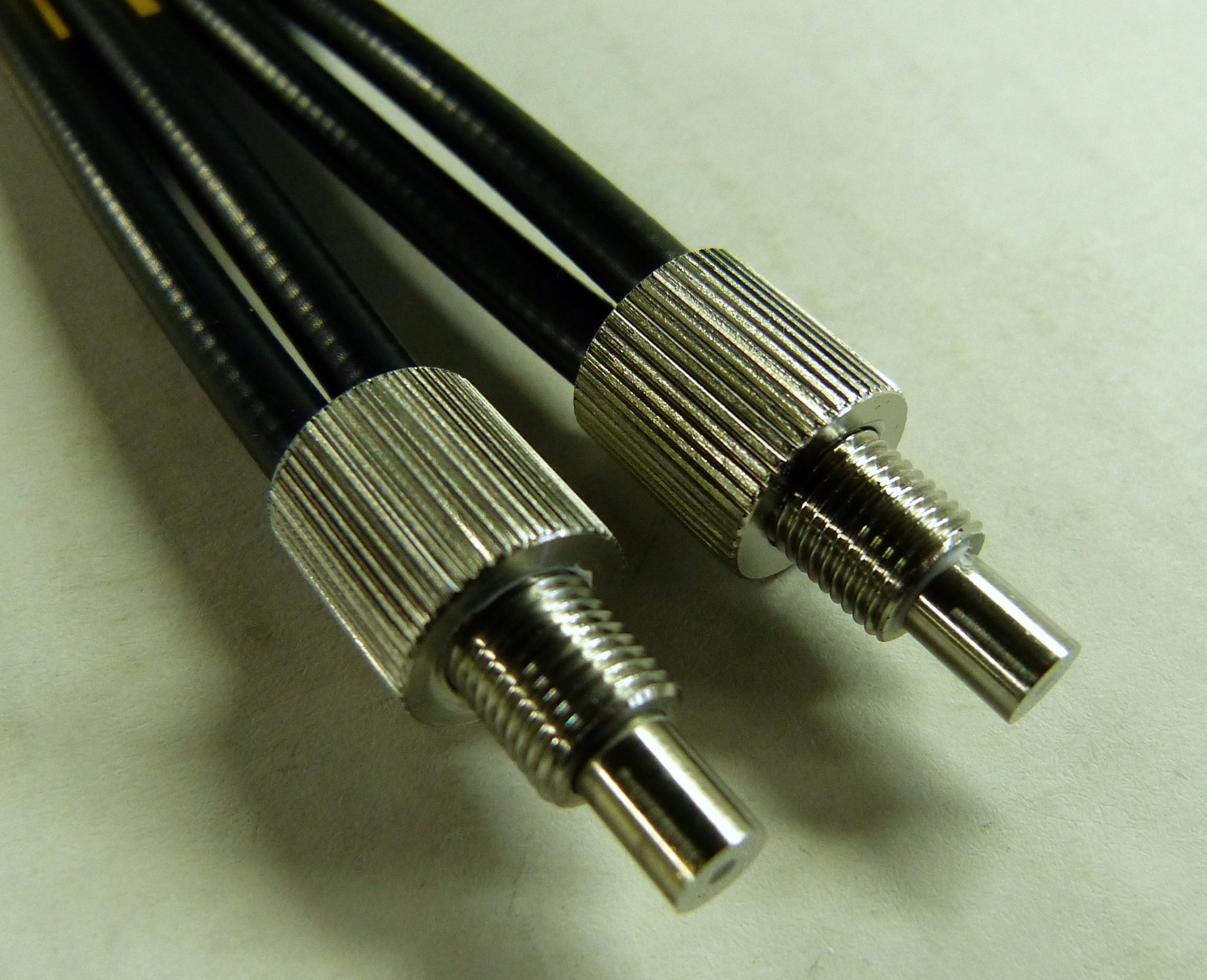
- Standard (SMA-905, FC, ST, etc.) or custom connectors, custom design ferrules
- Sheathing: Furcation tubing, PVC monocoil, silicone monocoil, polyurethane, stainless steel, peek, PTFE, others upon request
- Standard temperature range: -40 °C to + 100 °C; both cryogenic and high temperature (up to 280 °C) available
- Additional options: high vacuum compatibility, chemical resistance
- Length up to 100 m, even for multi-fiber assemblies
Benefits of industrial fiber optic probes
- Rugged design for harsh environment
- Low crosstalk
- Optimized throughput
- Improved process performance
- Increased repeatability and reliability
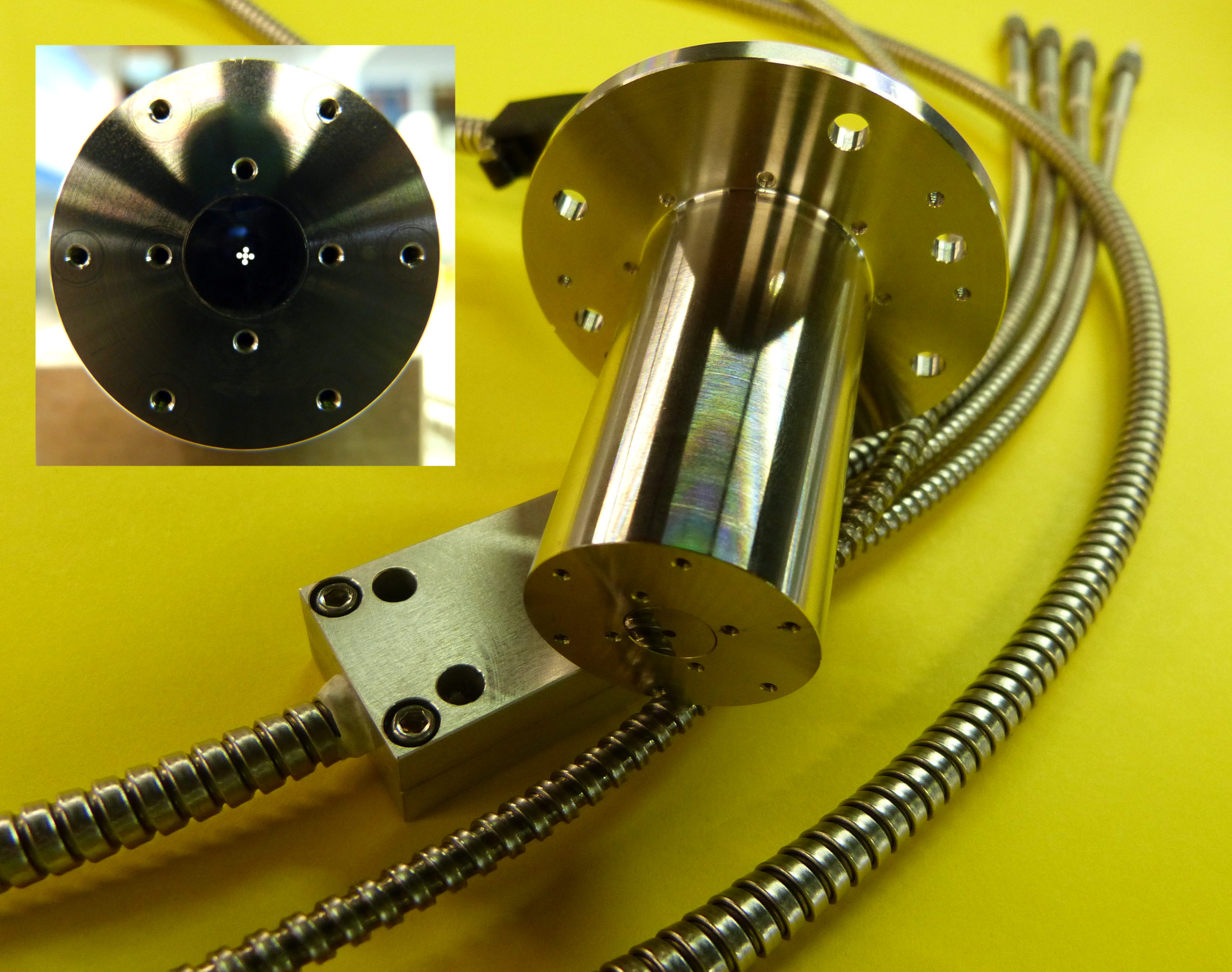
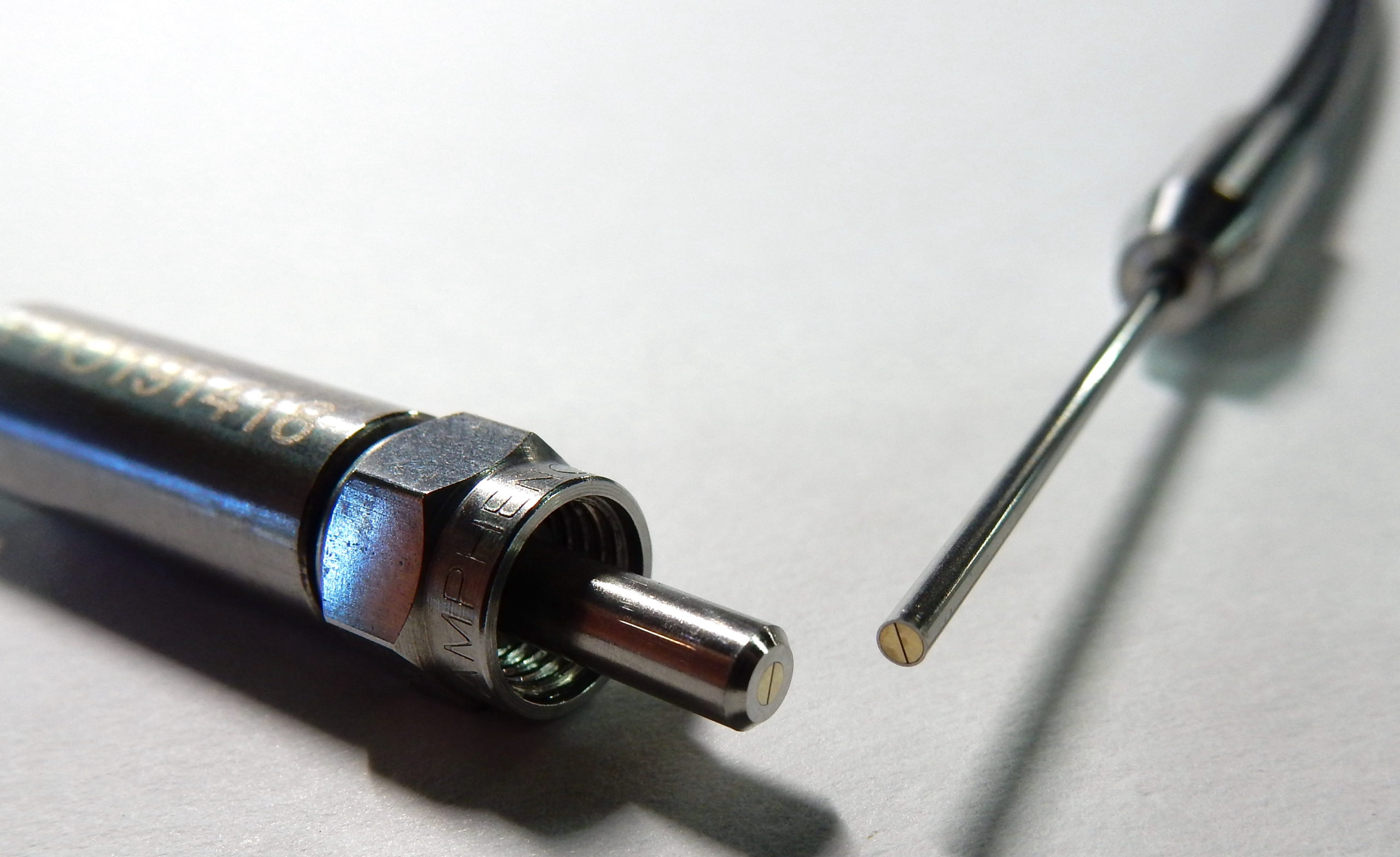
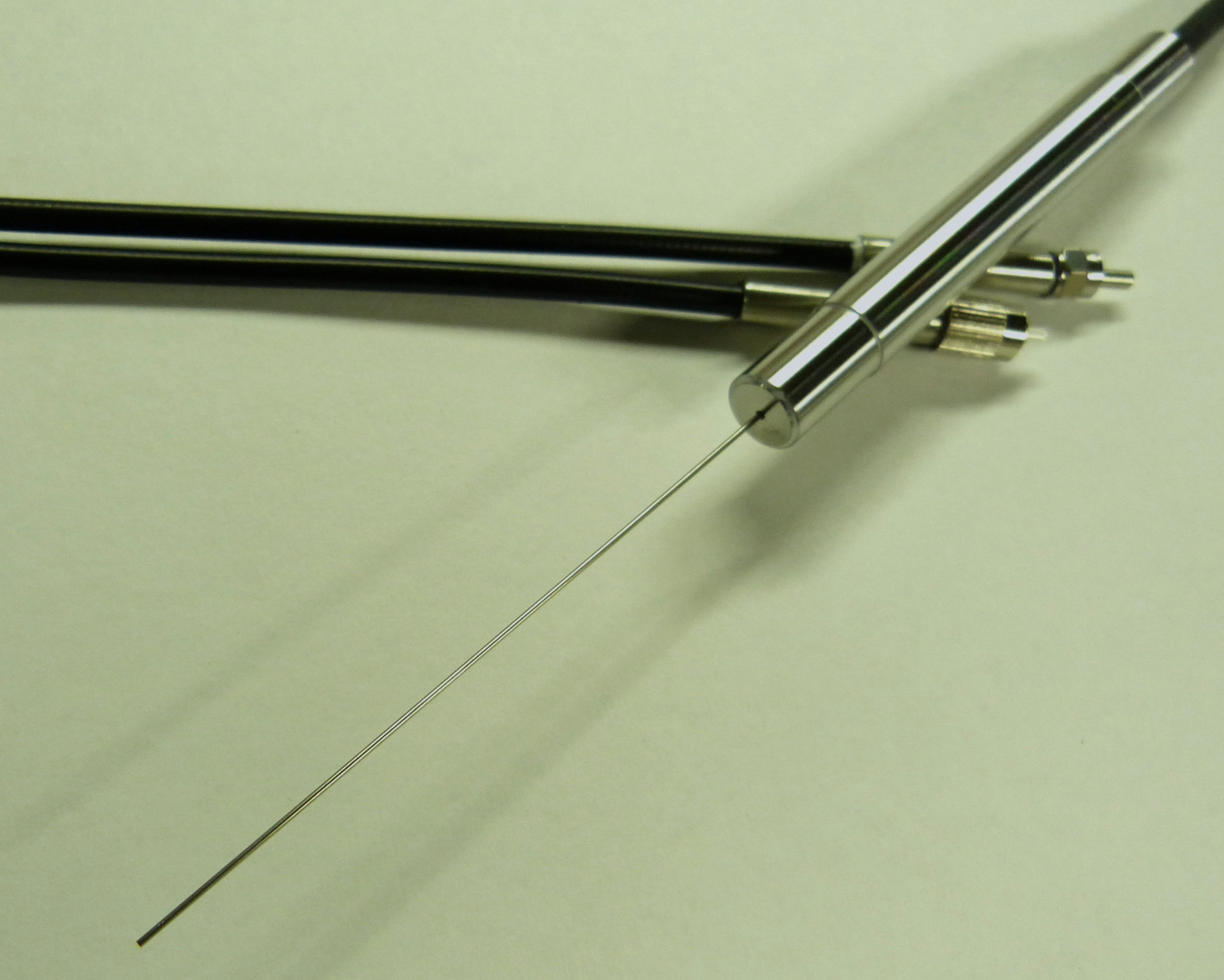
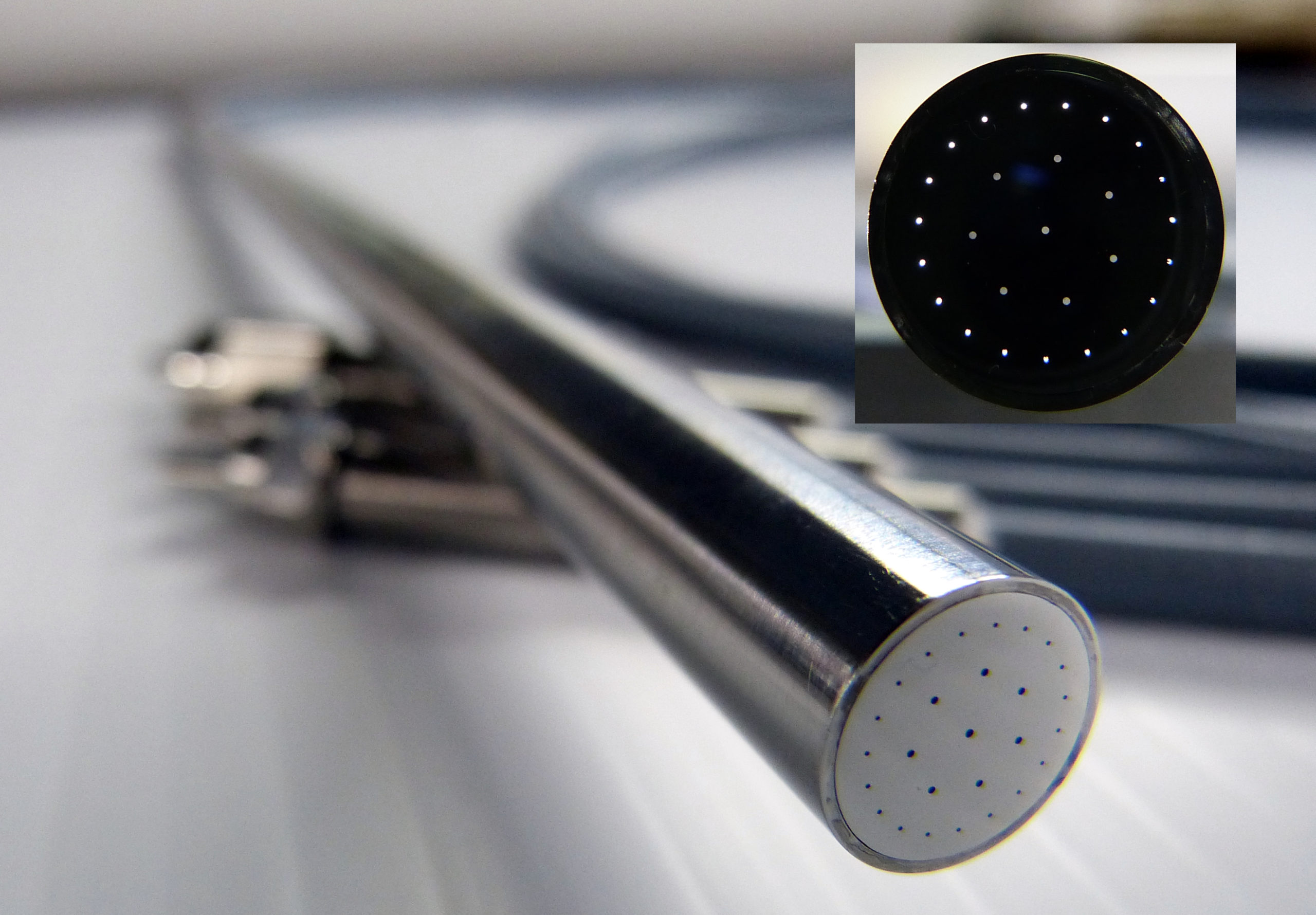
Fiber optic SORS Probes
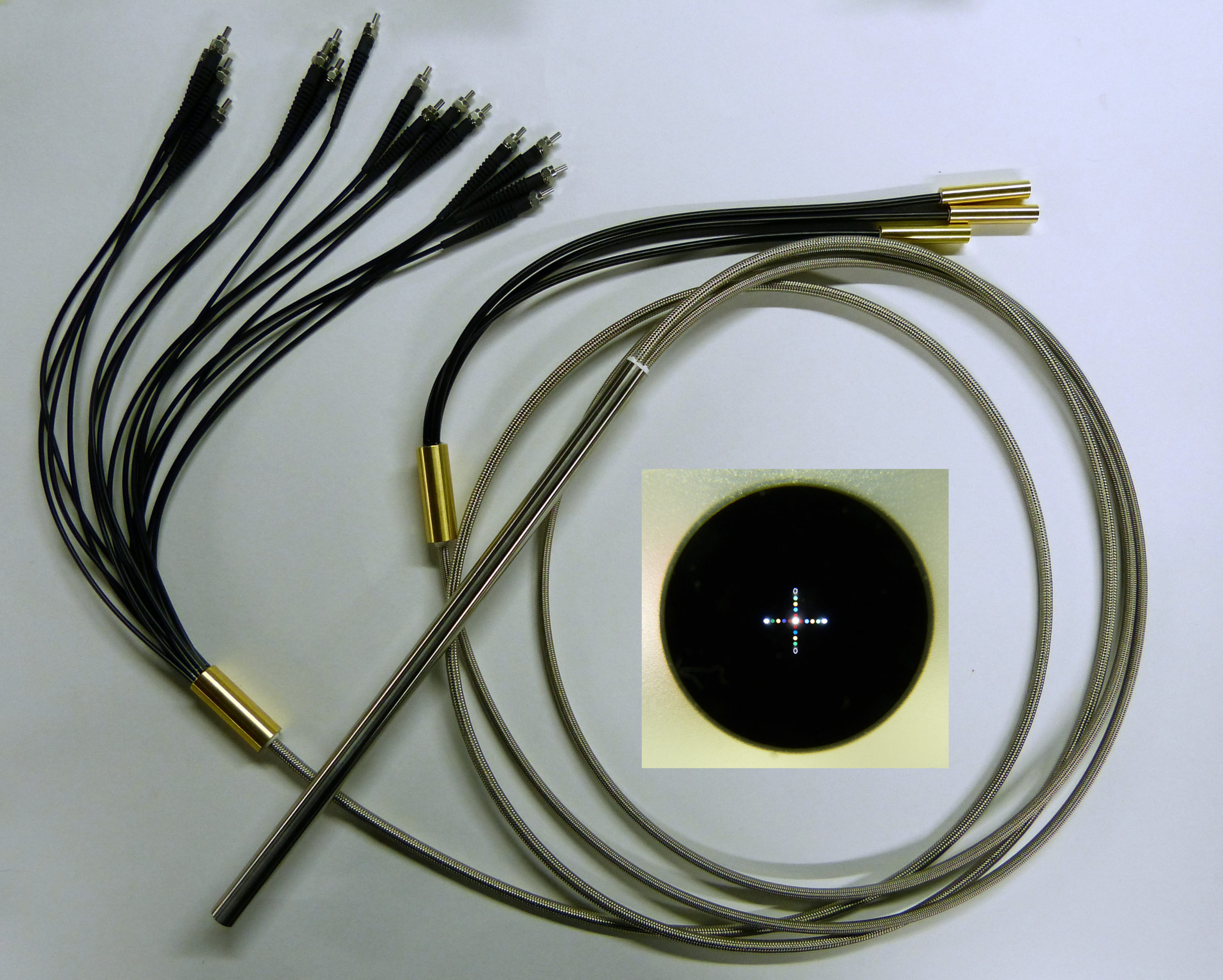
Raman spectroscopy is traditionally a surface measurement technique. However, methods such as Spatially Offset Raman Spectroscopy (SORS) that collect backscatter data at different distances enable its application for obtaining depth-resolved sample composition. This is useful in some biomedical and pharmaceutical applications where understanding of process time dependence can be important.
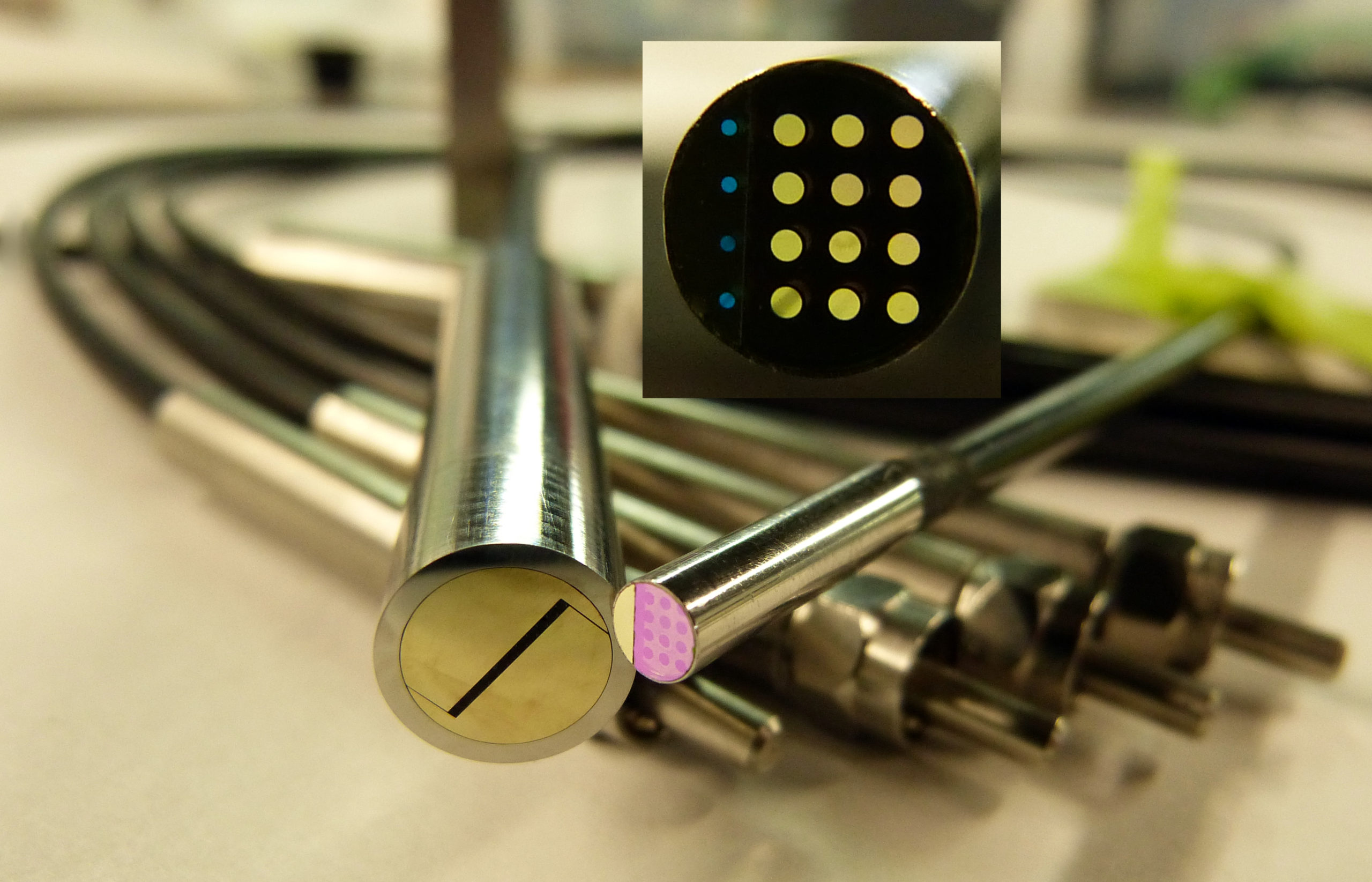
Building upon our extensive expertise in design and fabrication of custom fiber optics assemblies, bundles, probes and arrays, FTO has developed in-house capabilities to machine and modify precision optical components such as filter and lenses. This enables us to produce high performance Spatially Offset Raman Spectroscopy (SORS) probes with internal filtering for deep spectroscopy of tissue and powders.
Technical specifications of SORS fiber optic probe
- Enable simultaneous collection of multiple Raman spectra
- Arbitrary spatial offset positioning
- Arbitrary number of collection points
Benefits of Raman spectroscopy probes
- Tailoring of the collection parameters to the sample
- Potential higher sensitivity and penetration depths
SORS fiber optic probe applications
- Analytical spectroscopy (UV/VIS, NIR, MIR, Raman)
- Analytical chemistry
- Raman scattering
- Process control
- Research & Development
- Optical sensing
- Thomson scattering
- Fluorescence excitation
- Illumination
- OCT (Optical Coherent Tomography)
- Particle detection
- In-vivo diagnostics
- Clinical research
- Smart structures
Industries using Raman spectroscopy probe
- Academia
- Aerospace
- Astronomy
- Defense & Military
- Dentistry
- Environmental monitoring
- Fine chemicals
- Food processing
- Forensics
- Fusion development
- Life sciences
- Biomedical imaging
- Nuclear Power
- Petrochemicals
- Pharmaceutical
- Semiconductor
- Solar energy